Slope Protection

Soil Stabilization Solutions

Slope protection ensures long-term stability by controlling soil movement, reducing erosion, and preventing slope failures in challenging terrains

Soil Stabilization Solutions

Stability Challenges

Unstable slopes and weak soils threaten highways, rail lines, industrial zones and urban infrastructure. Weathering, groundwater pressure & loading conditions increase failure risks. SSES delivers reliable soil and slope stabilization systems that enhance ground performance, reduce failures, and improve long-term safety.

Reinforcement Systems

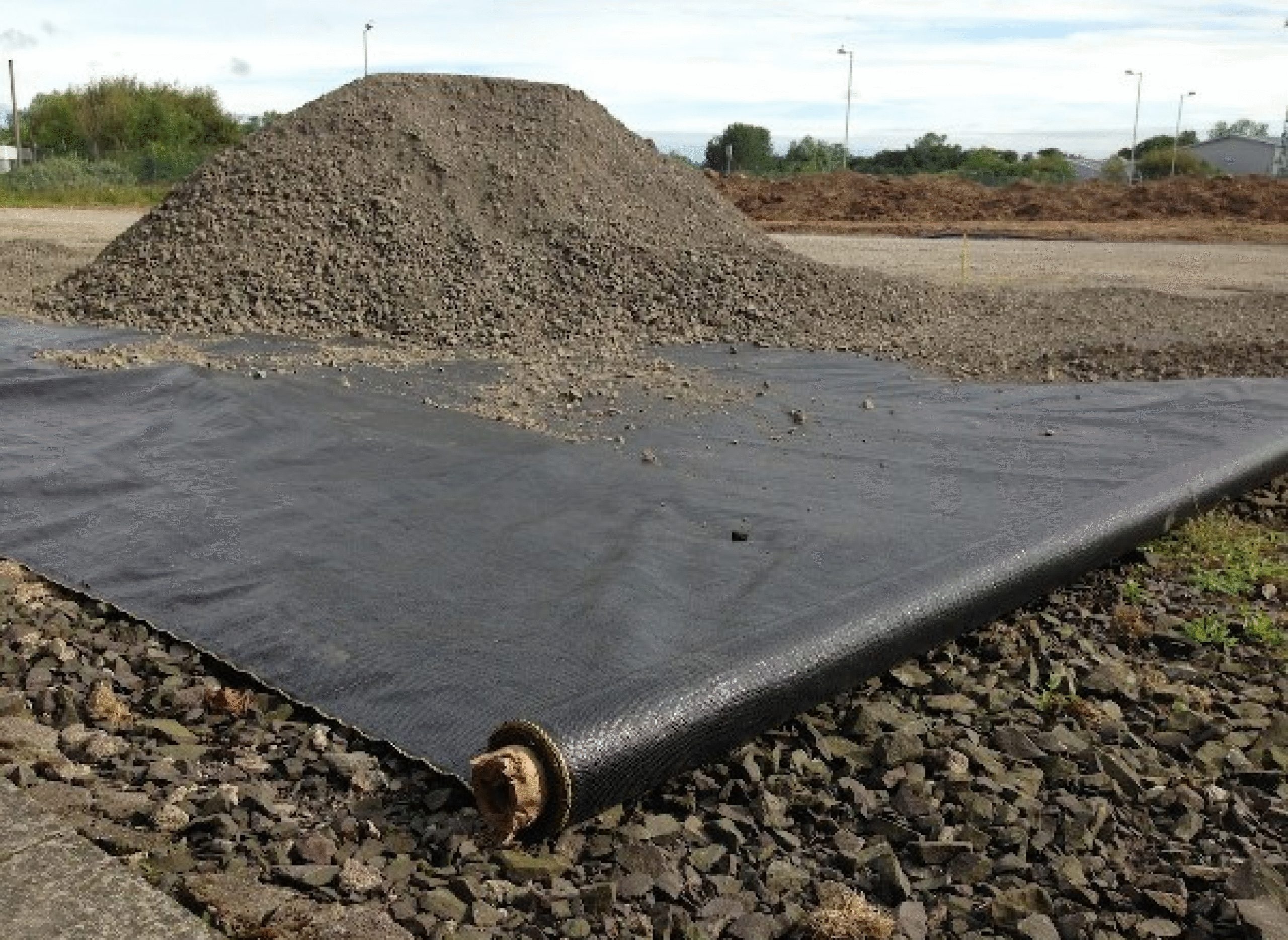
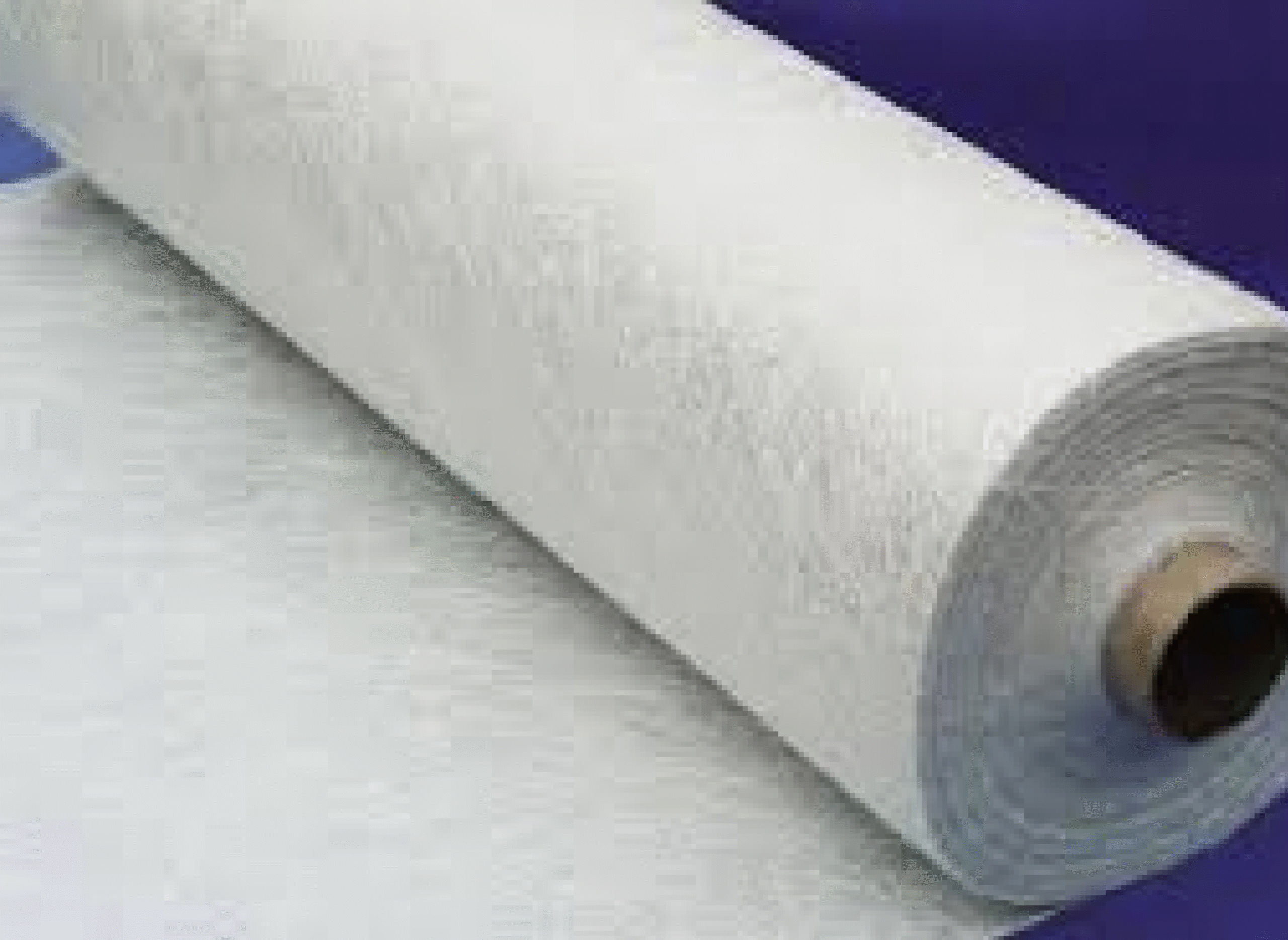
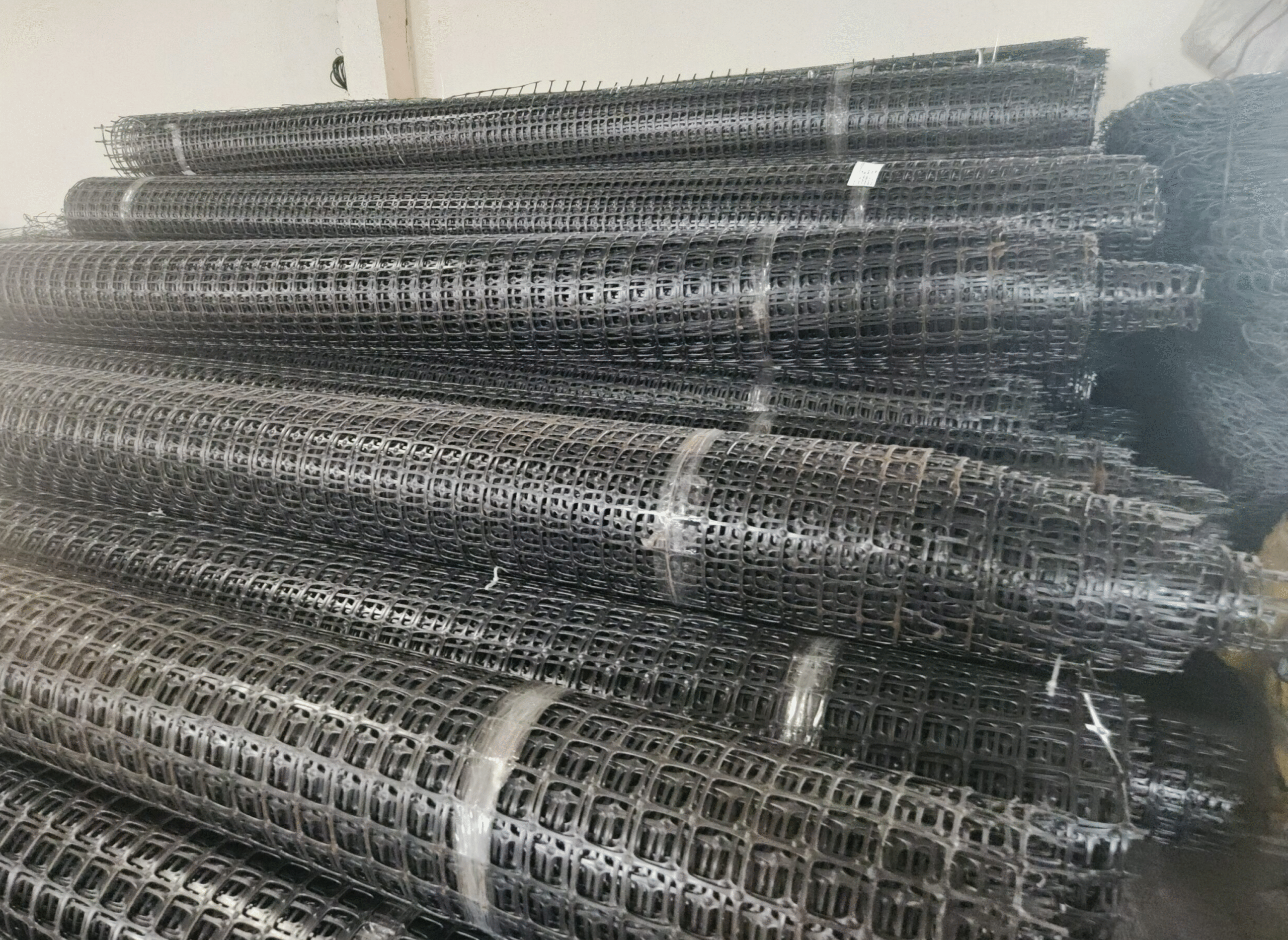
SSES uses engineered geosynthetic solutions geogrids, geotextiles, soil nails and rock anchors to strengthen weak ground. These systems increase shear resistance, control deformation, and stabilize cut slopes, embankments and road corridors under demanding geotechnical and environmental conditions.

Integrated Protection

For rock slopes and steep embankments, SSES provides rockfall mitigation and protection netting, drapery meshes and reinforced earth structures. These protection systems control debris movement, secure hazardous faces and create long-lasting stability for transport corridors, industrial sites and hilly terrains.

Site-Specific Engineering

Each slope behaves differently, so SSES relies on geotechnical investigations, slope stability modelling and hydrological evaluation to design tailored solutions. Our stabilization systems deliver predictable, durable performance across highways, railways, industrial facilities, mining routes and urban development projects.

A structured approach to reliable ground engineering

Our Proven Engineering Process

Ready to Discuss Your Project?

Our technical team will help you design the most cost-effective and reliable retaining solution. Share a few details and we’ll get back with a tailored proposal.


    Agree to our terms and conditions.

    Frequently Asked Questions

    Soils that are weak, loose, highly compressible, clayey (with high plasticity), silty, or otherwise unstable especially when they need to support loads or be used for road subgrades benefit greatly from stabilization. The particular method of stabilization depends on soil type: for example, clayey soils often respond well to chemical treatments like lime or cement.

    Yes. Properly stabilized soil becomes stronger, more stable under loads, less prone to shrink/swell or erosion, and often has improved drainage and durability. This helps ensure longevity of structures built on the ground, reduces maintenance needs, and mitigates risks from soil instability.

    Soil stabilization is the process of improving weak or unstable soil by changing its physical or chemical properties so that it can safely support structures, roads, or landscaping. It helps increase load-bearing capacity, reduce settlement, control erosion, improve drainage, and make soil more durable and stable for construction or infrastructure uses.

    The ideal stabilization method depends on soil type, moisture content, project load requirements, and site conditions. A professional soil test and site evaluation help determine whether mechanical reinforcement, chemical additives, or a combined approach will deliver the best long-term performance.