Waterfront Protection

Pipeline & Coastal Protection, River Training Work

We protect pipelines, coasts, and riverbanks from erosion and hydraulic forces using engineered stabilization and flow-control solutions.

Pipeline & Coastal Protection

Coastal Challenges

Coastal environments and shoreline corridors face constant erosion, wave action and soil loss, which threaten nearby infrastructure and underground utilities. Pipelines laid across riverbeds, shorelines or soft coastal soils are particularly vulnerable to exposure, destabilization and long-term structural damage.

Erosion & Exposure Risks

Uncontrolled coastal erosion, tidal forces, storm surges and scouring can uncover pipelines, weaken foundations, disrupt services and create serious environmental hazards. These failures often lead to costly emergency repairs, operational shutdowns & safety risks for surrounding communities and critical assets.

Protection Systems

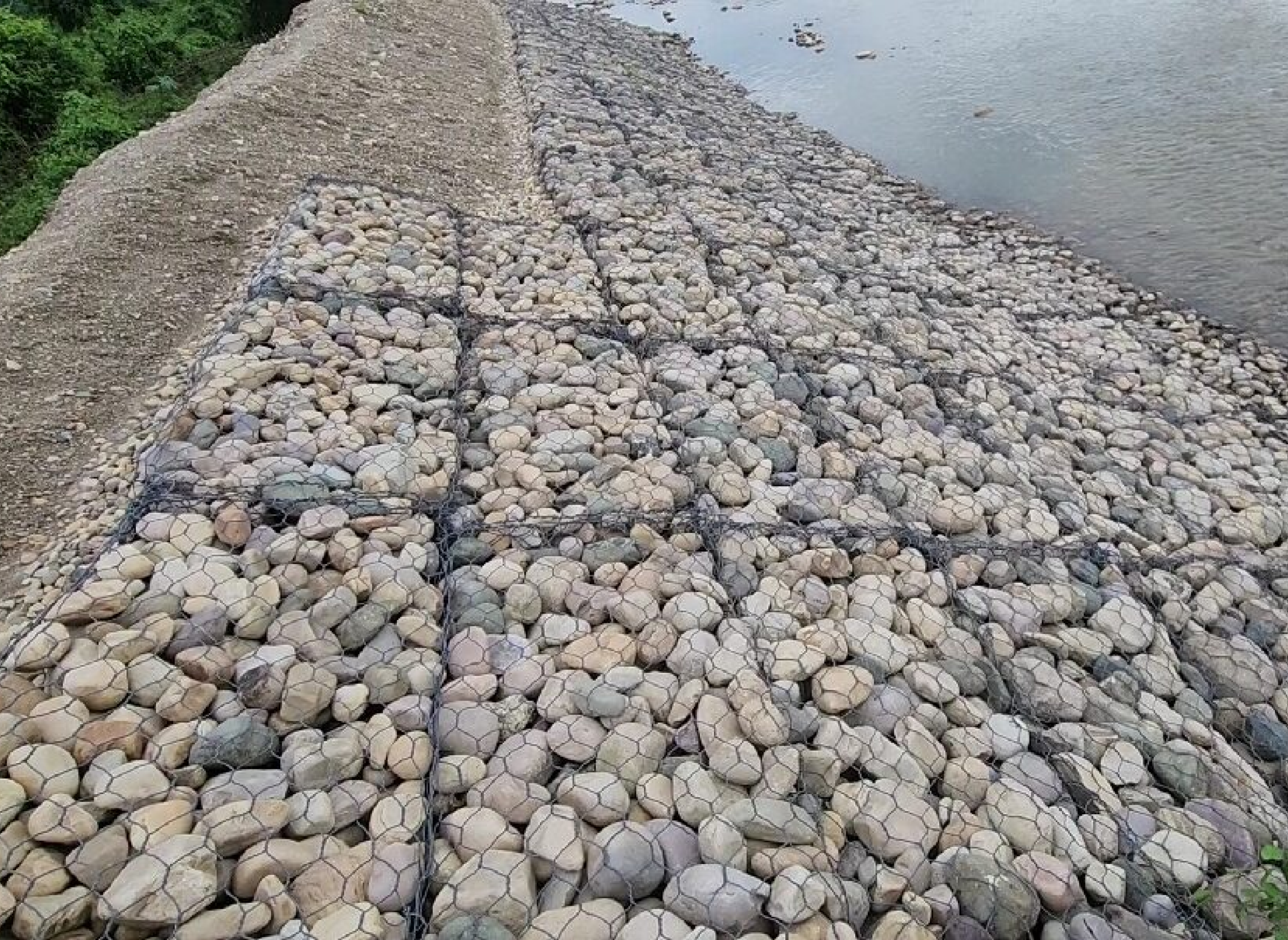
SSES provides engineered coastal and pipeline protection systems including gabion structures, geotextile tubes, erosion control mats and others. These solutions resist hydraulic forces, prevent scouring, stabilize pipelines & reinforce vulnerable shorelines and embankments.

SSES Expertise

With detailed geotechnical and hydraulic assessments, SSES designs site-specific systems that ensure long-term performance in dynamic coastal zones. Our integrated protection solutions enhance resilience, reduce maintenance costs and secure pipelines, waterfront assets, ports, industrial corridors and shoreline infrastructure.
A structured approach to reliable ground engineering

Our Proven Engineering Process

Ready to Discuss Your Project?

Our technical team will help you design the most cost-effective and reliable retaining solution. Share a few details and we’ll get back with a tailored proposal.


    Agree to our terms and conditions.

    Frequently Asked Questions

    Pipeline & coastal protection involves safeguarding pipelines, shorelines and coastal infrastructure against damage from waves, tides, currents, scour, or erosion. River training works involve engineering measures like guide bunds, spur-dikes, toe protection, bank revetments, and controlled embankments to direct and stabilize river flow, prevent bank erosion, manage flood hazards, and protect nearby structures.

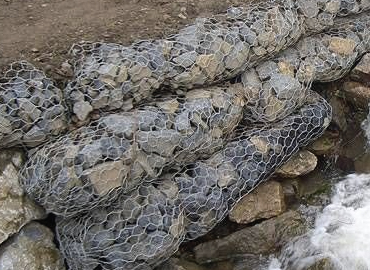
    Without proper protection, coastal areas and riverbanks are vulnerable to erosion, scour, flooding, and channel shifting which can undermine pipelines, destabilize slopes, damage infrastructure, or lead to loss of land. Protection reduces these risks by absorbing hydraulic forces and stabilizing banks.

    By stabilizing the flow path, controlling the alignment of the river, and reinforcing riverbanks, river training helps prevent uncontrolled erosion, bank collapse, and flood-induced damage. It maintains channel stability and protects adjacent land and infrastructure.

    Yes. Appropriate design must consider local hydrology, water flow behavior, soil/river bank conditions, wave or current dynamics (for coastal/riverside), sediment transport, and potential flood scenarios. Guidelines from engineering authorities recommend such assessments prior to design and construction.