Hydraulic Works
From Flood Mitigation to irrigation and urban drainage, hydraulic works ensure water is safely conveyed, stored and regulated, protecting lives, property & critical infrastructure.
Hydraulic Works
Hydraulic Challenges
Hydraulic structures such as canals, spillways, riverbanks, culverts & drainage channels face constant pressure from flowing water, sediment movement and seasonal fluctuations. Without proper stabilization, these assets experience scouring, erosion, and long-term structural degradation.
Flow & Scour Risks
High-velocity flows, flood events, and turbulent water can undermine embankments, weaken foundations, expose utilities and damage adjacent infrastructure. These risks lead to costly repairs, service disruptions, and safety hazards for communities and industrial operations relying on hydraulic systems.
Protective Solutions
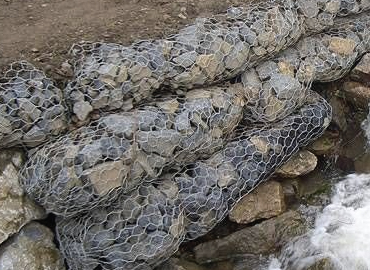
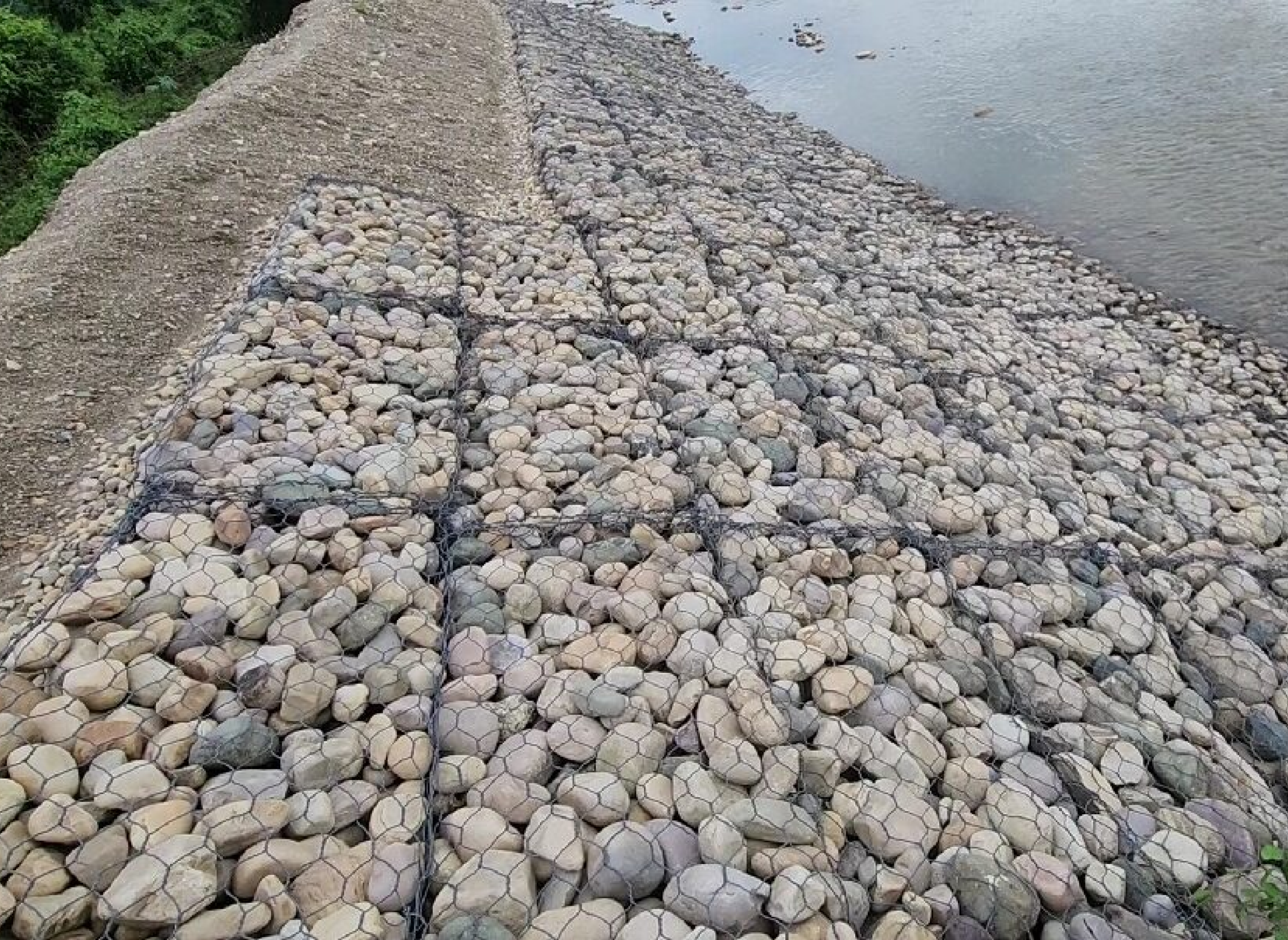
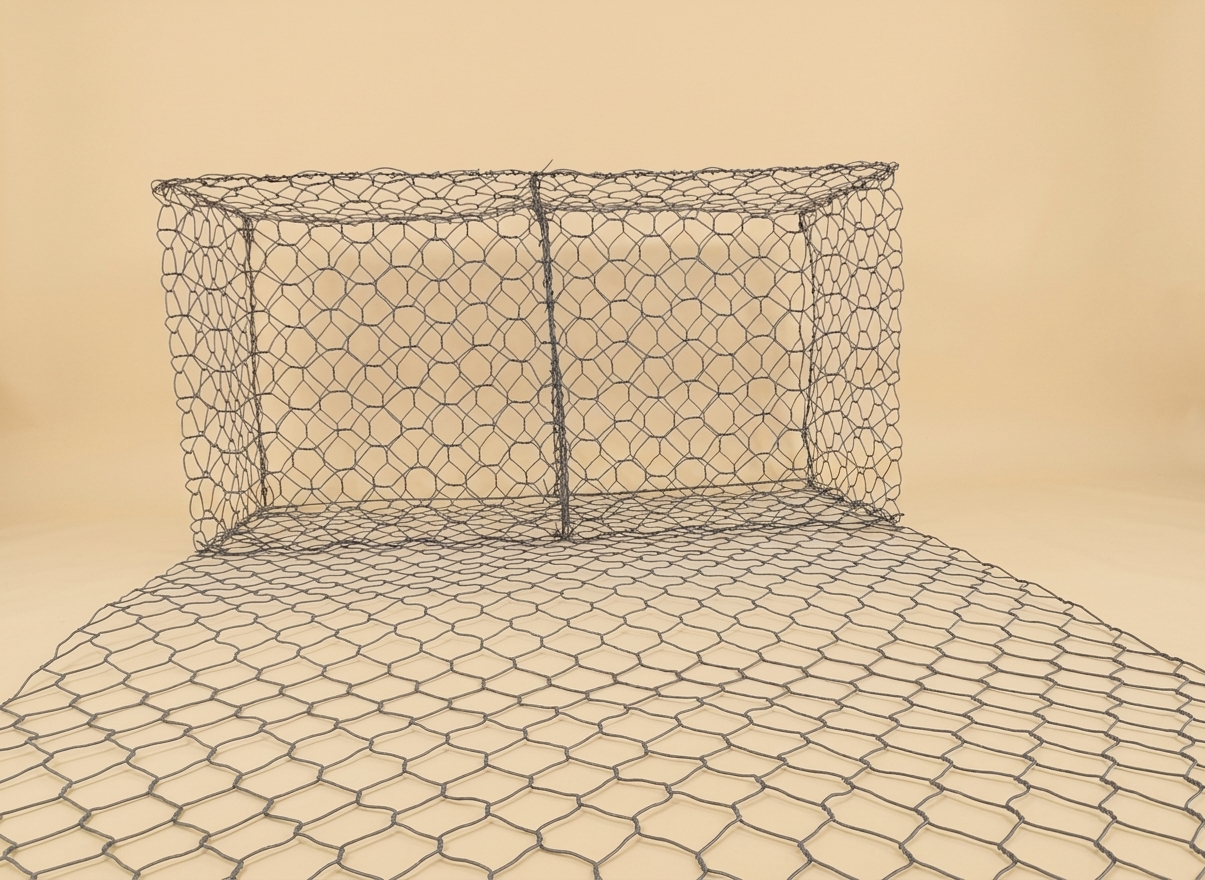
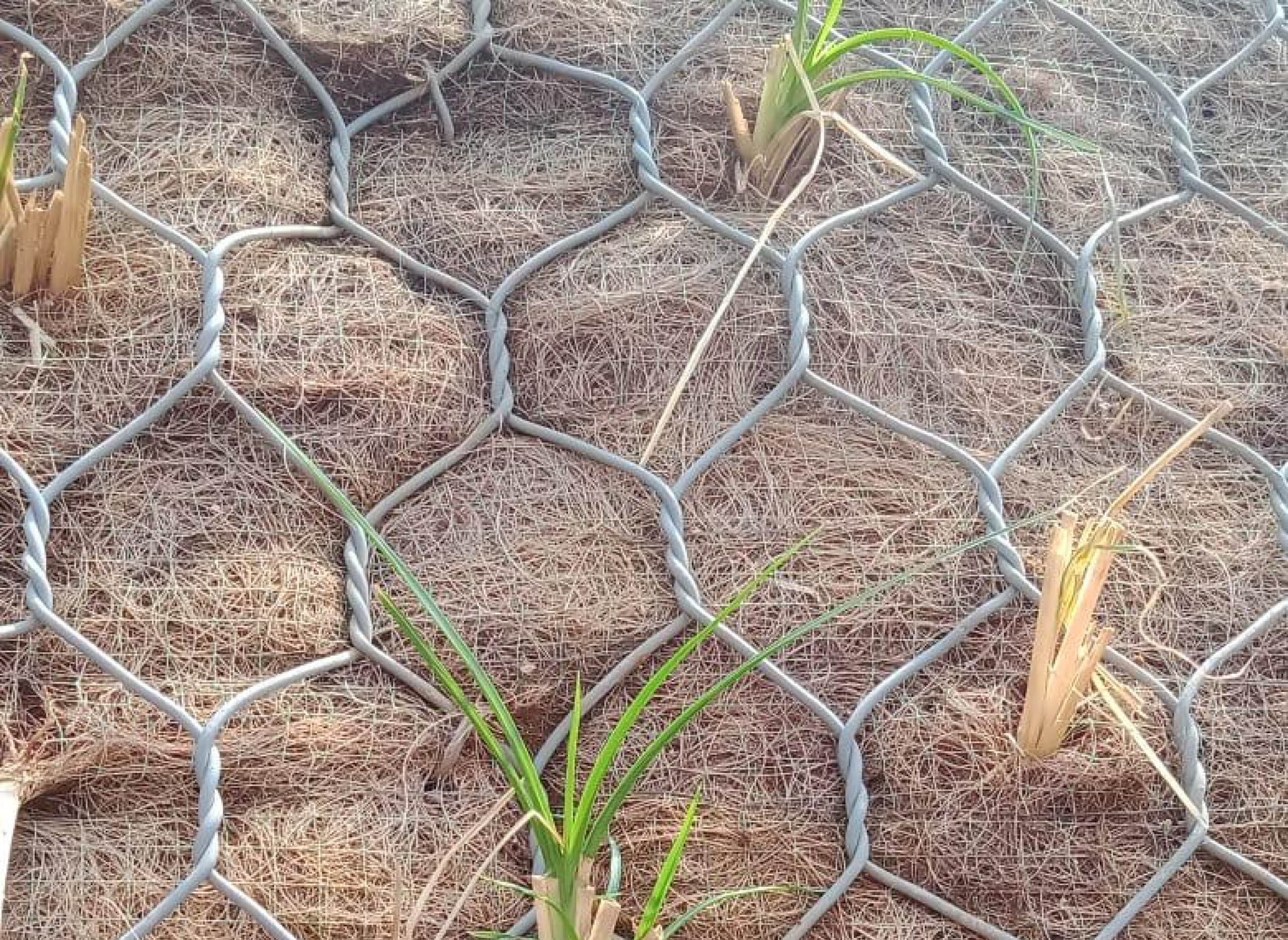
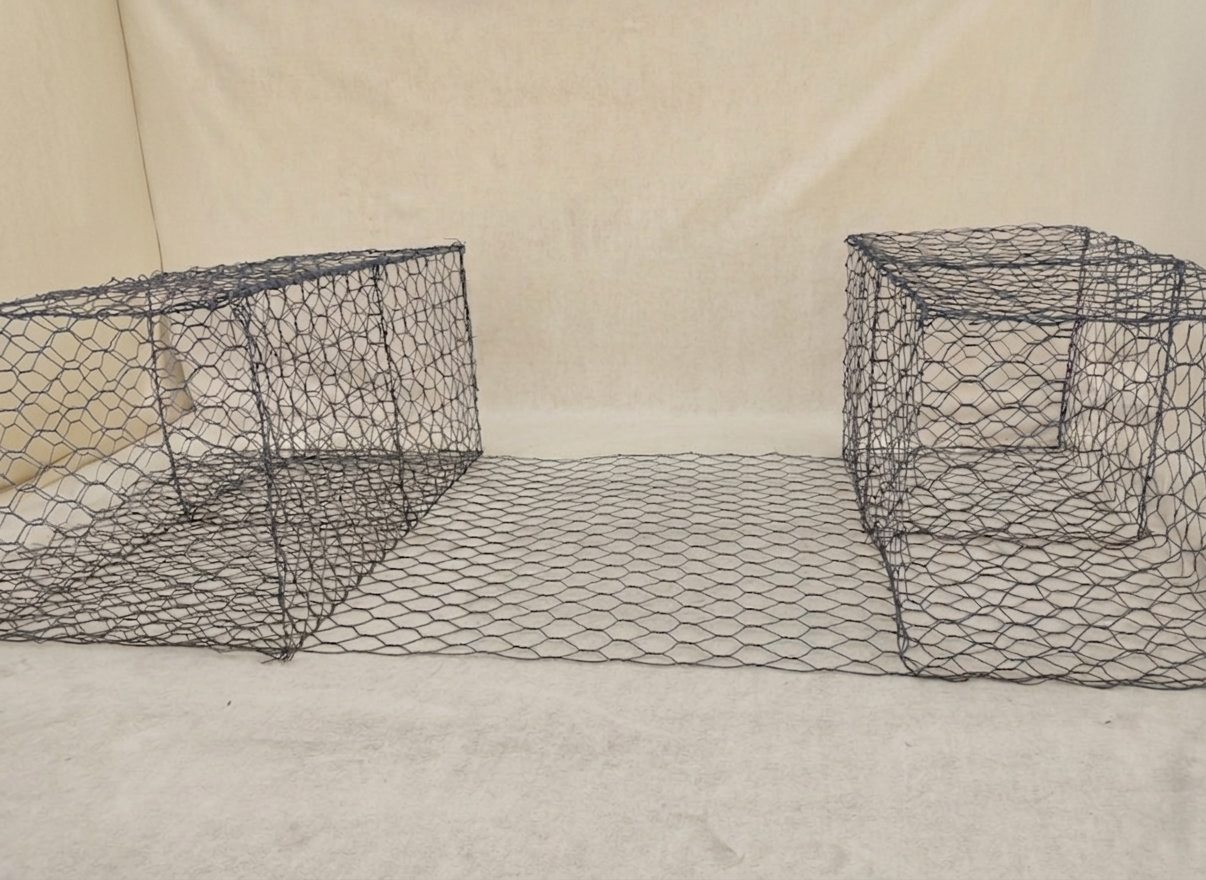
SSES offers engineered hydraulic protection systems including gabions, geotextile, securemesh system and other advance geotechnical products. These solutions control erosion, dissipate energy, filter sediments, and stabilize channels, ensuring safe and efficient water conveyance across diverse hydraulic environments.
SSES Expertise
Our Proven Products for Hydraulic Works
Knowledge Center
Explore our resources, guides, and technical insights.
Our Proven Engineering Process
Site Assessment
Detailed geotechnical and site surveys to understand conditions.
Design & Material Selection
Custom designs and material selection tailored to load and environment.
Installation & Quality Control
Skilled teams and QA procedures to ensure robust implementation.
Monitoring & Maintenance
Ongoing monitoring plans and maintenance advice to extend life.
Ready to Discuss Your Project?
Our technical team will help you design the most cost-effective and reliable retaining solution. Share a few details and we’ll get back with a tailored proposal.
Frequently Asked Questions
Hydraulic works refer to engineered structures and systems that manage water flow, storage, and distribution such as dams, weirs, canals, spillways, culverts, and drainage/irrigation channels. These structures help control water courses, store water, divert flow, support irrigation, flood‑control, drainage, navigation and other water‑management needs.

They serve many purposes: storing water (for drinking water, irrigation or industrial use), controlling floods, regulating river flow, irrigation and agriculture, drainage, water distribution, navigation, and sometimes generation of hydro‑power.
Hydraulic engineering is a sub‑discipline of civil engineering that focuses specifically on the behavior and control of water (or other fluids) planning for water flow, storage, sediment transport, drainage, flood control, water supply infrastructure, and environmental/hydrological considerations.
Hydraulic works are necessary whenever there is a need to manage water resources for example for irrigation, flood control, water supply, drainage, stormwater management, dam or reservoir construction, river diversion, or when building infrastructure near water bodies. Any project involving water flow, storage, drainage or discharge may require hydraulic‑works planning and design.